
Introduction
In the modern world, the pursuit of a radiant and healthy complexion is more than a vanity project; it is a form of self-care and a cornerstone of personal confidence. However, the vast landscape of the beauty industry, with its endless array of serums, tools, and treatments, can be overwhelming. Many individuals fall into the trap of over-exfoliating, misusing active ingredients, or neglecting fundamental biological needs. True beauty skincare is not about the quantity of products you apply, but the precision and consistency of your methodology. This guide is designed to strip away the noise and focus on the non-negotiable, science-backed pillars that form the foundation of any effective regimen. By understanding the physiology of your skin and adhering to a structured routine, you can achieve visible, lasting results without succumbing to marketing hype.
The Non-Negotiable First Step: Understanding Your Skin Type
Before you spend a single dollar on a new moisturizer, you must establish a baseline. The efficacy of your entire beauty skincare routine hinges on whether your products are compatible with your specific biology. The primary classifications are normal, oily, dry, combination, and sensitive.
- Oily Skin: Characterized by excess sebum production, leading to a shiny appearance and a predisposition to acne and enlarged pores.
- Dry Skin: Feels tight, rough, or flaky due to a lack of lipids and moisture. This type is prone to fine lines and irritation.
- Combination Skin: Features an oily T-zone (forehead, nose, and chin) with normal to dry cheeks.
- Sensitive Skin: Reacts easily to environmental factors or products, presenting with redness, itching, or burning.
To identify your type, wash your face with a gentle cleanser, pat it dry, and wait for 30 minutes without applying anything. If your face feels tight, you are likely dry; if there is visible shine on your forehead and nose, you are oily; if shine appears only in the center, you are combination. This diagnostic step ensures you do not apply heavy creams to oily skin (which can clog pores) or lightweight gels to dry skin (which will not provide adequate occlusion).
The Art of Cleansing: Setting the Stage for Absorption
Cleansing is the bedrock of beauty skincare. It removes the accumulation of sebum, dead skin cells, sweat, and environmental pollutants that accumulate on the epidermis throughout the day. However, the “squeaky clean” feeling that many associate with effective cleansing is actually a sign of barrier damage. Over-cleansing strips the skin of its natural ceramides, prompting it to overproduce oil to compensate—a vicious cycle.
For the evening, a double cleanse is the gold standard. Start with an oil-based cleanser or balm to break down lipid-soluble impurities like sunscreen and makeup. Follow with a water-based cleanser to remove sweat and water-soluble debris. In the morning, a simple splash of water or a gentle milk cleanser is sufficient for most skin types. The goal is a clean canvas that is hydrated, not stripped, allowing subsequent serums to penetrate effectively.
The Power of Active Ingredients: Serums and Targeted Treatments
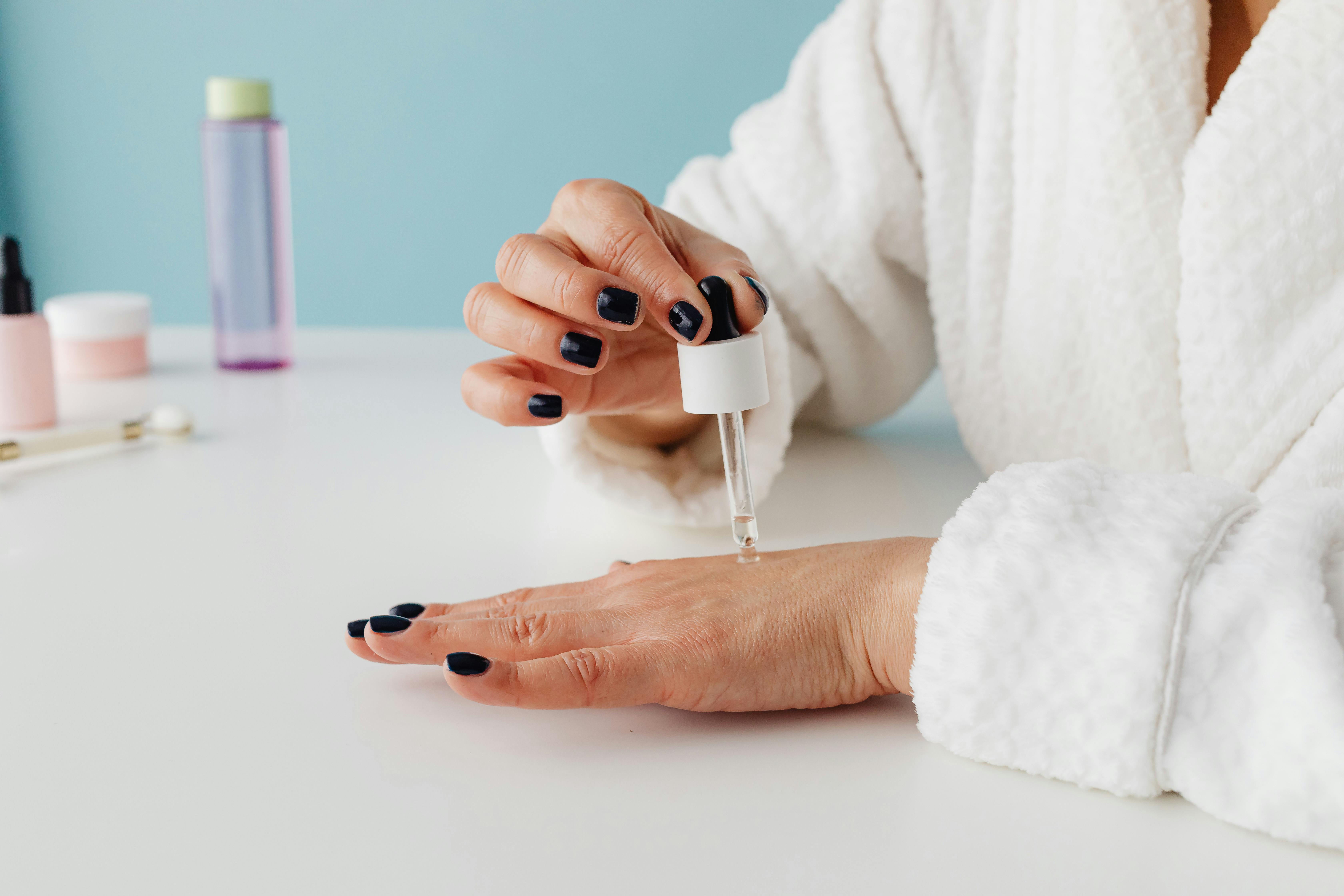
While moisturizers hydrate the surface, serums deliver concentrated active ingredients deep into the dermis. This is where the transformative work of your beauty skincare routine occurs. If you are only using a cleanser and moisturizer, you are missing out on the corrective and preventative potential of your regimen.
- Vitamin C (L-Ascorbic Acid): Best applied in the morning. It is a potent antioxidant that neutralizes free radicals generated by UV exposure and pollution. It also inhibits melanin production, brightening the complexion and fading hyperpigmentation over time.
- Retinoids (Retinol/Adapalene): The gold standard for anti-aging. Applied in the evening, they accelerate cellular turnover, stimulate collagen production, and unclog pores. However, they can cause irritation; start with a low concentration (0.25% to 0.5%) twice a week and gradually increase frequency.
- Hyaluronic Acid: A humectant that draws water into the skin. It should be applied to slightly damp skin to maximize its plumping effect. It is suitable for all skin types and can be used in both morning and evening routines.
The sequence matters: apply water-based serums before oil-based ones, and always wait 60 seconds between products to allow for proper absorption.
Hydration and Occlusion: The Moisturizer’s Role
A common misconception in beauty skincare is that moisturizer is only necessary for dry skin. This is false. The skin’s barrier requires a balance of water (humectants) and oil (emollients/occlusives) to function correctly.
- Humectants (glycerin, hyaluronic acid) pull water from the dermis and the environment into the stratum corneum.
- Emollients (squalane, fatty acids) smooth the skin by filling in gaps between skin cells.
- Occlusives (petrolatum, dimethicone) form a physical barrier to prevent transepidermal water loss (TEWL).
Even oily skin needs a lightweight, non-comedogenic gel moisturizer to signal to the skin that it is adequately hydrated, which can actually help regulate and reduce excess oil production. For dry skin, a richer cream with ceramides is necessary to repair the lipid matrix.
The Critical Shield: Sun Protection as the Final Step
If there is one non-negotiable command in beauty skincare, it is this: sunscreen is not optional. It is the single most effective anti-aging product on the market. Ultraviolet (UV) radiation is responsible for up to 90% of visible skin aging, including wrinkles, laxity, and hyperpigmentation.
You should apply a broad-spectrum sunscreen with an SPF of at least 30 every single day, regardless of weather or indoor status (UVA rays penetrate glass). This step should be the final layer of your morning routine, applied after moisturizer and before makeup. For adequate protection, use the “two-finger” rule—squeeze a strip of sunscreen along the length of your index and middle fingers to measure the appropriate amount for your face and neck. If you are using chemical filters, apply it 15 minutes before sun exposure to allow the film to form.

The Role of Lifestyle: Sleep, Diet, and Stress
Topical application can only take you so far. The skin is the largest organ and a reflection of internal health. Chronic stress elevates cortisol levels, which can increase sebum production and exacerbate inflammatory conditions like acne and eczema. Poor sleep reduces the skin’s ability to repair itself, leading to a dull, sallow appearance.
- Diet: A diet rich in omega-3 fatty acids (fish, walnuts) supports the lipid barrier. Antioxidant-rich fruits and vegetables combat oxidative stress. High-glycemic foods and dairy are often linked to breakouts in susceptible individuals.
- Sleep: During deep sleep, the body produces growth hormone, which is essential for cell regeneration. Aim for 7-9 hours to optimize the skin’s natural repair cycle.
- Exercise: Regular physical activity improves blood flow, delivering oxygen and nutrients to skin cells while flushing away waste products.
Your beauty skincare routine should be seen as a partnership between your topical products and your lifestyle choices. You cannot out-apply a bad diet or chronic sleep deprivation.
Avoiding Common Pitfalls and Over-Exfoliation
The “more is better” mentality is the fastest route to a damaged skin barrier. Over-exfoliation—whether through physical scrubs or high-frequency acid use—leads to micro-tears, inflammation, and a compromised acid mantle. Symptoms of a damaged barrier include stinging upon product application, persistent redness, and increased breakouts.
Limit chemical exfoliation (AHAs/BHAs) to 2-3 times per week, and never combine them with retinol on the same evening unless you are using a formulation specifically designed for that purpose. Always introduce new active ingredients one at a time, with a minimum of two weeks between additions, to properly assess tolerance. If your skin becomes irritated, strip your routine back to cleanser, moisturizer, and sunscreen until the barrier is restored.
Conclusion
Achieving a luminous, healthy complexion is not a matter of luck or genetics; it is a disciplined practice grounded in dermatological science. Your beauty skincare routine should be built on a foundation of gentle cleansing, strategic active ingredients, robust hydration, and rigorous sun protection. By understanding your skin’s unique requirements and respecting its barrier function, you move beyond trend-chasing and into a realm of proactive, long-term skin health. Remember that consistency trumps intensity—a simple, correct routine performed daily will always outperform a complex one performed sporadically. Commit to the process, listen to your skin, and the radiance will follow.



Leave a Reply