Introduction: More Than Meets the Eye
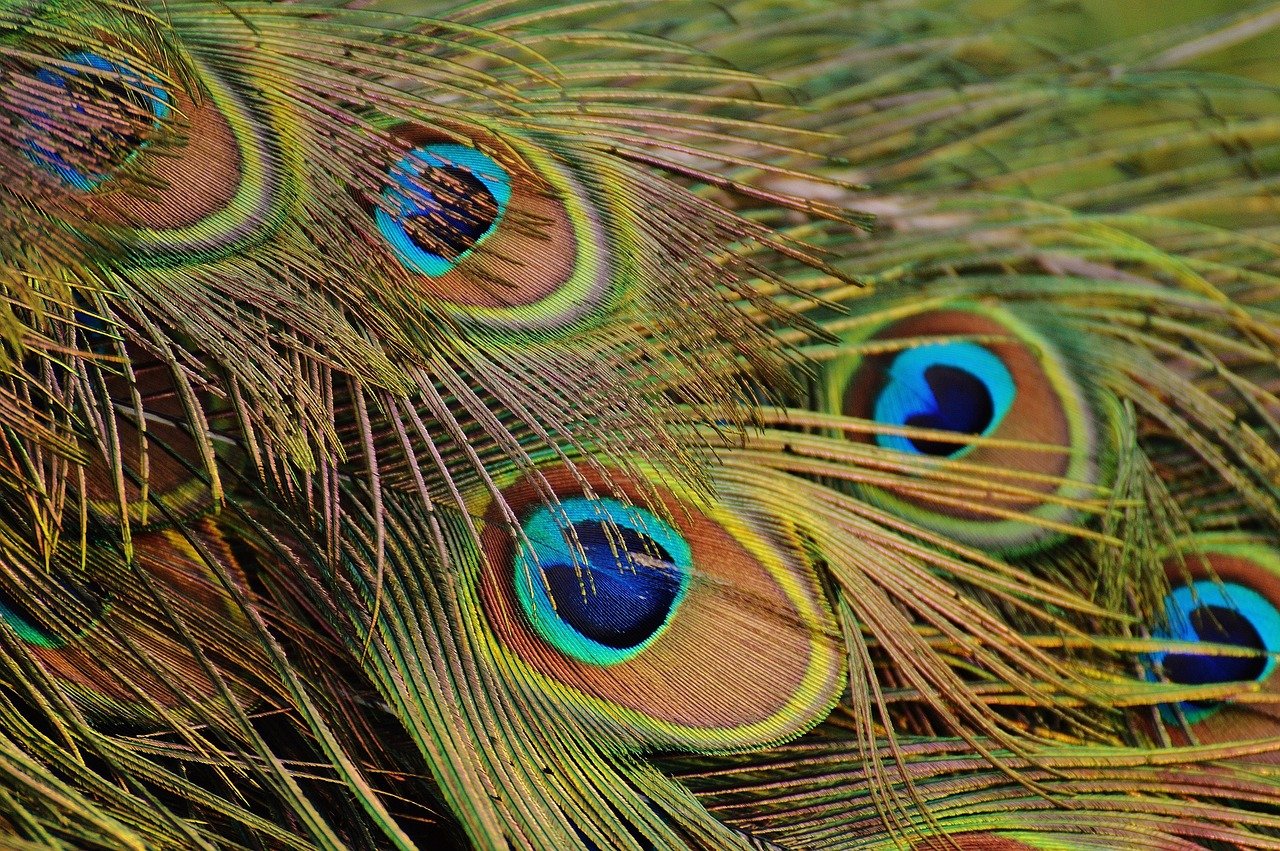
In the vast vocabulary of fashion, few elements speak as loudly or as subtly as pattern. It is the language of visual rhythm, the texture of identity, and the silent narrator of cultural stories. When we speak of pattern beauty, we are not merely referring to a repetitive design on fabric. We are talking about a profound aesthetic principle that transforms a flat piece of cloth into a dynamic, expressive, and emotionally resonant garment. From the ancient paisley of Persia to the bold geometrics of the Memphis movement, patterns have always been a primary vehicle for self-expression. In today’s saturated fashion landscape, understanding and appreciating pattern beauty is not just a stylistic choice; it is a form of visual literacy.
This exploration goes beyond the surface. It digs into the psychology, the artistry, and the technical mastery behind the prints we wear. Whether it’s the reassuring symmetry of a classic stripe or the chaotic energy of an abstract splash, each pattern carries a specific vibration. For the modern designer and the discerning consumer, recognizing the power of pattern beauty is the key to unlocking a more intentional and impactful wardrobe. We will dissect how patterns are conceived, how they interact with the human form, and why they remain the most potent tool in a designer’s arsenal for creating mood and movement.
The Historical Tapestry: Where Pattern Beauty Begins

To truly understand the current obsession with pattern beauty, one must look backward. Patterns are among the oldest forms of human communication, predating written language. The intricate ikat weaves of Southeast Asia, the bold mudcloth of West Africa, and the delicate floral chintzes of India were not just decorative; they were status symbols, spiritual talismans, and historical records. Each motif held meaning, and the skill required to produce them was often passed down through generations.
In the West, the industrial revolution democratized pattern beauty for the first time. Suddenly, the elaborate paisleys that once graced only the wealthiest shoulders were available to the masses through machine-made textiles. This shift did not dilute the power of the pattern; instead, it expanded its vocabulary. The 20th century saw the rise of the designer-pattern, with names like Emilio Pucci and Missoni turning pattern beauty into a high-art form. Their kaleidoscopic swirls and zigzag knits became synonymous with luxury and avant-garde flair. This historical trajectory teaches us that pattern is never trivial; it is a repository of human ingenuity and aspiration.
The Psychology of Print: Why We Are Drawn to Pattern Beauty

There is a scientific reason why pattern beauty captivates the human eye. Our brains are hardwired to seek out and recognize patterns—it is a survival mechanism. In fashion, this neurological preference translates into a visceral reaction. A well-executed pattern creates a sense of harmony and order, which can be deeply soothing. Conversely, a chaotic, disruptive print can stimulate and energize the viewer. This duality is the essence of the psychology of print.
When a person wears a garment with strong pattern beauty, they are engaging in a form of non-verbal communication. A bold floral can signal romanticism and optimism, while a sharp houndstooth suggests intellectualism and authority. The choice of scale matters too. Large-scale patterns tend to make a bold statement and can dominate a silhouette, while smaller, micro-prints offer a more delicate, refined elegance that rewards closer inspection. Understanding this psychological interplay allows stylists to use pattern beauty strategically, not just to dress a body, but to convey a personality without saying a word.
The Art of Placement: Pattern Beauty on the Human Canvas
The true test of a great pattern is not how it looks on a flat swatch, but how it moves on a body. The human form is a curved, three-dimensional canvas, and the way a print is cut, draped, and placed can make or break its aesthetic impact. This is where technical skill and artistic vision intersect to create genuine pattern beauty. A skilled designer knows that a vertical stripe can elongate a silhouette, while a horizontal band can add width. The placement of a motif at the waistline, the hip, or the shoulder can completely alter the perception of proportion.
In contemporary fashion, we are seeing a rise in “engineered” prints—patterns that are digitally mapped to align perfectly with the seams of a garment. This meticulous approach elevates pattern beauty to a new level of precision, where the design appears to be painted directly onto the body. The flow of a pattern is also crucial; a static print can look stiff, while a fluid pattern that seems to ripple with movement adds a layer of dynamism. When we witness a gown where the print seems to cascade like water, we are seeing the pinnacle of pattern beauty—a perfect marriage of fabric, form, and artistry.
From Runway to Real Life: Styling Pattern Beauty
While the runway allows for extravagant displays of pattern beauty, the challenge—and the joy—lies in translating these looks for everyday wear. Many fear patterns, believing they are difficult to style or overwhelming. However, the key to mastering this aesthetic lies in balance and confidence. The most effective way to wear a strong print is to let it be the hero of the outfit. Pairing a vibrant patterned blouse with neutral, solid-colored trousers or skirts allows the pattern beauty to shine without visual competition.
For the more adventurous, mixing patterns—such as florals with stripes—is a high-fashion technique that, when done correctly, showcases a deep understanding of pattern beauty. The secret is to keep a common color palette between the prints, ensuring that the patterns are in conversation with each other rather than in conflict. Accessories also play a role; a bold pattern can be introduced through a scarf, a handbag, or a pair of shoes to add a pop of interest to a minimalist ensemble. This approach makes pattern beauty accessible, proving that you do not need to wear a head-to-toe print to harness its power.
The Digital Age: Redefining Pattern Beauty
The digital revolution has irrevocably changed the landscape of textile design, pushing the boundaries of pattern beauty into new, uncharted territories. Computer-aided design (CAD) allows for endless variations, complex mathematical algorithms, and hyper-surrealistic imagery that were impossible to achieve with traditional screen-printing methods. Today’s designers can manipulate photographs, create 3D illusions, and generate patterns with an infinite level of detail. This technology has not replaced the artisan; it has given them a new tool to expand their imagination.
However, there is a counter-movement that champions the hand-crafted, the imperfect, and the organic. The resurgence of hand-block printing and tie-dye speaks to a desire for a human touch within the digital sea of perfection. In this context, pattern beauty becomes a conversation between the old and the new. The luxury of today lies not just in the complexity of the digital print, but in the authenticity of a hand-painted motif. The modern aesthetic embraces both, recognizing that true pattern beauty is not defined by its method of creation, but by the emotional resonance it evokes in the wearer and the viewer.
Conclusion: The Enduring Power of Pattern
As we look to the future of fashion, one thing remains certain: pattern will always be a cornerstone of style. Pattern beauty is not a fleeting trend; it is a fundamental aspect of how we adorn ourselves and interpret the world. It offers a unique opportunity for personal storytelling, allowing us to wear our moods, our cultures, and our aspirations on our sleeves—quite literally. In a world of minimalist trends and “quiet luxury,” a striking pattern is a powerful tool for expression, ensuring that we are never invisible.
We have seen how pattern beauty is rooted in history, powered by psychology, and perfected through technical skill. It is a complex interplay of color, shape, and scale that has the power to transform a simple garment into a masterpiece. Whether you are drawn to the timeless elegance of a floral or the bold futurism of a digital abstract, embracing pattern beauty is an invitation to be bold. It is a declaration that style is not about following the crowd, but about using every tool available—including the power of print—to create a unique and unforgettable visual identity. The allure of the pattern is timeless, and its beauty will continue to evolve, but its power to captivate will never fade.
🔥 Recommended: Our Top Picks for You

Leave a Reply