Introduction
In an era dominated by curated feeds, AI-enhanced portraits, and relentless filters, the concept of “true beauty” has become both a cliché and a radical act. We scroll past thousands of images daily, each one meticulously edited to erase pores, reshape jawlines, and smooth away any trace of human imperfection. Yet, despite this hyper-polished digital landscape, a counter-movement is gaining momentum—one that argues the most compelling form of attractiveness lies not in flawless symmetry, but in the raw, unfiltered essence of who we are. True beauty is not about achieving an unattainable standard; it is about recognizing the profound elegance that exists within our quirks, scars, and authentic expressions. This article explores why embracing our genuine selves is not only more sustainable but also more visually and emotionally captivating than any manufactured ideal.
The Illusion of Perfection: How Filters Distort Our Perception
The digital age has fundamentally altered how we perceive both others and ourselves. What was once a simple mirror reflection is now a canvas for digital manipulation. Apps allow us to alter our appearance in real-time, smoothing skin, whitening teeth, and even changing our facial structure with a single swipe. While these tools are fun, they create a dangerous feedback loop. We begin to see our unedited faces as “flawed” versions of our online personas. This constant comparison against artificial benchmarks erodes self-esteem, making us feel that our natural state is somehow insufficient.
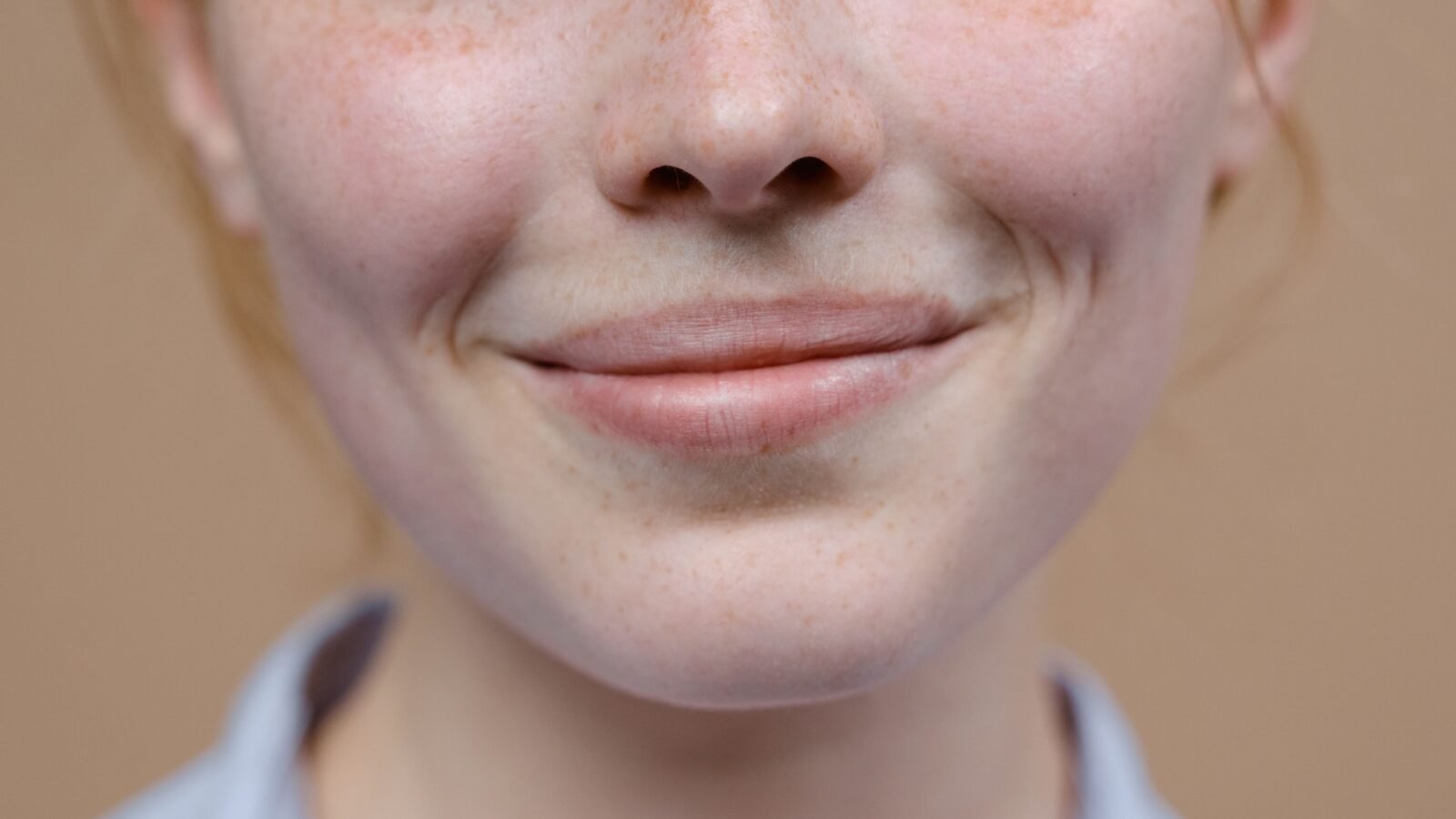
Research in psychology suggests that exposure to idealized images, even when we know they are edited, lowers our satisfaction with our own bodies. The problem is not the existence of beauty standards, but their homogenization. When every face looks the same—same nose, same lips, same jawline—we lose the visual diversity that makes humanity interesting. True beauty thrives on differentiation. It is the asymmetry of a smile, the character in a furrowed brow, or the unique pattern of freckles that tells a story. By chasing a digital mirage, we risk erasing the very features that make us memorable.
The Inner Glow: Why Confidence is the Ultimate Accessory
It is often said that beauty is in the eye of the beholder, but a more accurate statement might be that beauty is in the aura of the beheld. Confidence, self-assuredness, and a sense of inner peace project an energy that no filter can replicate. When a person is comfortable in their own skin, it shows in their posture, their eye contact, and their genuine smile. This “inner glow” is not a mystical phenomenon; it is the physiological result of reduced stress and increased self-compassion.
True beauty, therefore, is intrinsically linked to mental health. When we stop fighting our reflection and start appreciating our bodies for their functionality and resilience, we unlock a different kind of allure. This is not about narcissism; it is about self-respect. A person who radiates kindness, humor, and intellectual curiosity is often perceived as more attractive than a static image of a perfect face. This is because humans are wired for connection, and connection requires vulnerability. Showing our authentic selves, with all our imperfections, invites others to do the same, creating deeper and more meaningful interactions.
Redefining Standards: The Shift Towards Inclusivity
The fashion and beauty industries, long the gatekeepers of conventional attractiveness, are undergoing a seismic shift. We are seeing a move away from the single, narrow archetype of beauty towards a more inclusive and diverse representation. Models with vitiligo, albinism, different body sizes, and visible disabilities are now gracing major campaigns. This is not merely a marketing trend; it is a reflection of a societal demand for reality over fantasy.
This inclusivity is crucial for the concept of true beauty to flourish. When we see people who look like us—with our skin tones, our body shapes, and our unique features—being celebrated, it validates our own existence. It breaks down the psychological barrier that suggests beauty is a luxury reserved for the few. Instead, it becomes a universal birthright. The expansion of beauty standards does not dilute the concept; it enriches it. It allows us to appreciate the aesthetic value in a wider spectrum of human forms, proving that there is no single “right” way to look.
The Courage to Be Imperfect: A Practical Guide
Embracing true beauty is an active choice, not a passive acceptance. It requires a conscious effort to reprogram our internal dialogue. Here are a few practical ways to cultivate authenticity in a world that pushes for perfection:
- Curate Your Feed: Unfollow accounts that make you feel inadequate. Follow artists, activists, and everyday people who celebrate realness. Your digital environment shapes your self-perception more than you think.
- Practice Self-Compassion: When you catch yourself criticizing your reflection, pause. Ask yourself if you would speak to a friend that way. Treat your own body with the same kindness and respect you offer others.
- Focus on Function: Shift your gratitude from how your body looks to what it can do. Appreciate your legs for walking, your hands for creating, and your eyes for witnessing the world. This functional appreciation grounds you in reality.
- Embrace the “Unfiltered” Moment: Challenge yourself to post a photo without a filter or a heavy edit. The positive response you receive can be a powerful antidote to the fear of judgment.
The Role of Character: Kindness and Intelligence
While physical appearance is the first thing we notice, it is rarely the thing that sustains our interest. True beauty is a composite of physical, emotional, and intellectual attributes. A person’s character—their empathy, their passion, their integrity—radiates outward, affecting how we perceive their physical features. We have all met someone who initially seemed ordinary but became incredibly attractive after we learned about their brilliant mind or their generous heart.
This is often referred to as the “halo effect,” but in reverse. While we typically assume attractive people are good, it is equally true that we perceive good people as attractive. By investing in our intellect, nurturing our empathy, and pursuing our passions, we are actively enhancing our physical appeal. This holistic approach to beauty ensures that our attractiveness is not skin-deep but rooted in a rich and compelling personality. It is a more durable form of beauty, one that does not fade with age but deepens with experience.
Conclusion
The pursuit of true beauty is not a return to some pre-digital utopia; it is a forward-thinking evolution of our consciousness. It is a rejection of the lazy, algorithmic sameness that pervades our social feeds and a return to the messy, glorious, and diverse reality of human existence. True beauty is found in the laugh lines that map a lifetime of joy, the strength that shows in a weathered hand, and the quiet confidence of someone who knows their worth is not tied to a number on a scale or a pixel on a screen. It is a quiet rebellion against the tyranny of perfection. By choosing authenticity, we not only free ourselves from the exhausting cycle of comparison but also inspire others to do the same. In the end, the most beautiful thing you can wear is your genuine self—unfiltered, unapologetic, and entirely unique.



Leave a Reply