Introduction
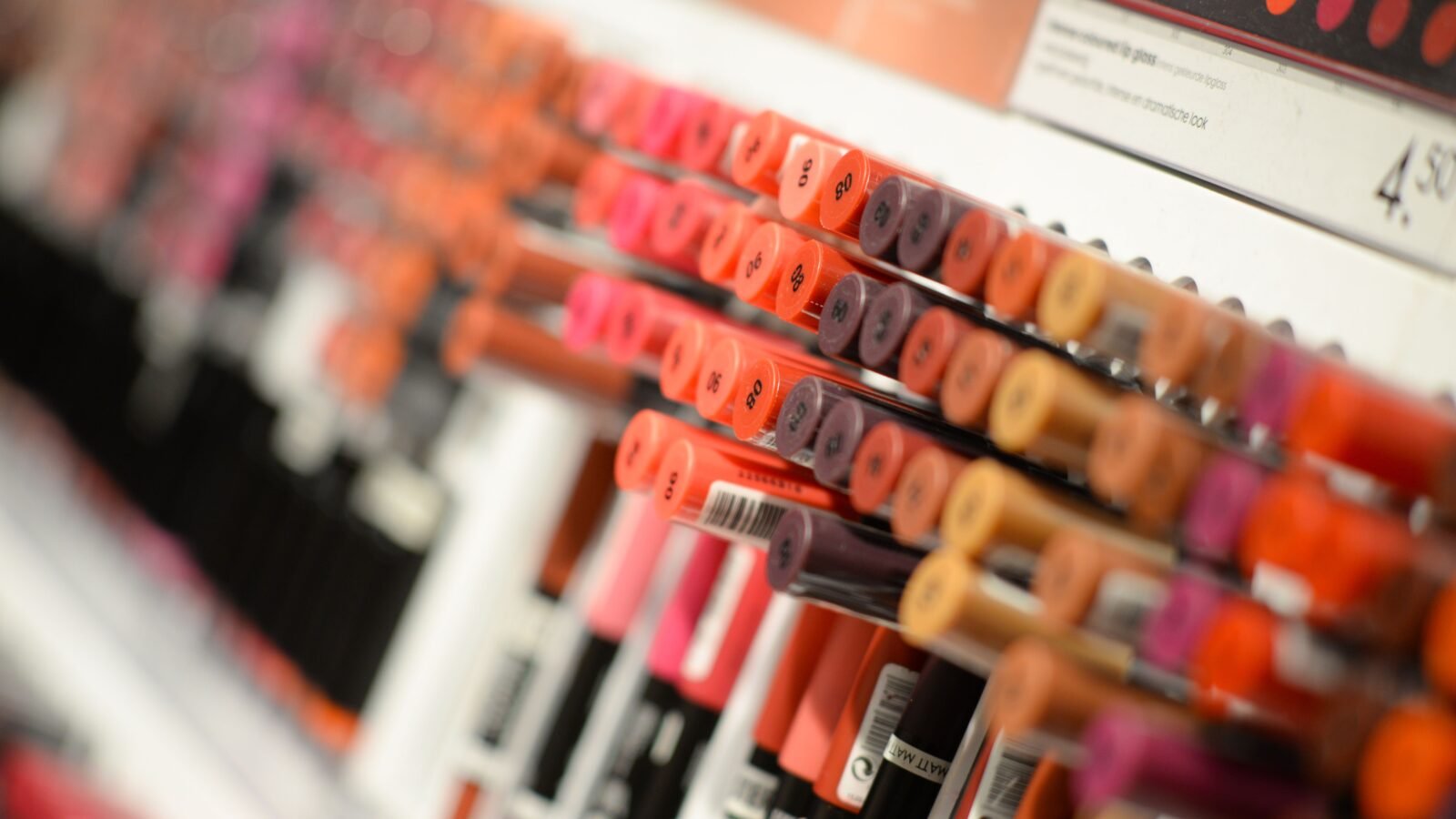
The beauty industry is a vast, ever-expanding universe. With countless serums, moisturizers, cleansers, and masks lining the shelves, the sheer volume of options can be overwhelming. While it is tempting to chase the latest viral trend or the most luxurious packaging, the reality is that the most effective routine is built on a foundation of understanding—specifically, understanding your own skin. The right beauty products can transform your complexion, boost your confidence, and simplify your daily ritual. Conversely, the wrong ones can lead to irritation, breakouts, and wasted money. This guide is designed to cut through the noise, offering a professional, evidence-based approach to selecting beauty products that align with your unique biology and lifestyle. By the end, you will have a clear framework for making informed decisions, ensuring that every item you purchase serves a purpose and delivers tangible results.
Understanding Your Skin’s Unique Biology

Before you can choose the right beauty products, you must first identify your skin type and its specific needs. This is the non-negotiable first step. Skin is generally categorized into five primary types: normal, oily, dry, combination, and sensitive. However, it is crucial to remember that your skin can change due to hormones, climate, stress, and age.
- Normal Skin: Characterized by a balanced production of oil and moisture. It is neither too dry nor too oily, with few imperfections and a radiant complexion.
- Oily Skin: Produces an excess of sebum, leading to a shiny appearance, enlarged pores, and a higher propensity for acne and blackheads.
- Dry Skin: Lacks sufficient lipids and natural moisturizing factors. It often feels tight, rough, and may show visible flaking or fine lines.
- Combination Skin: Features a mix of oily (usually the T-zone: forehead, nose, and chin) and dry or normal areas (the cheeks).
- Sensitive Skin: Reacts easily to environmental factors or certain ingredients, manifesting as redness, itching, burning, or dryness.
To determine your type, perform a simple test: wash your face with a gentle cleanser, pat it dry, and wait for 30 minutes without applying anything. Observe how your skin feels. If it feels tight and flaky, you have dry skin. If it looks shiny all over, it is oily. If only your T-zone is shiny, you have combination skin. If it feels comfortable and balanced, you have normal skin. If it becomes red or irritated, you likely have sensitive skin. This self-assessment is the cornerstone of building a routine with the best beauty products for your needs.
The Art of Reading Ingredient Labels
Once you know your skin type, the next step is learning to decipher ingredient lists. This is where many consumers get lost. Marketing claims like “natural” or “dermatologist-tested” are often vague, but the ingredient list is a factual document. You should look for specific active ingredients that address your concerns.
For dry skin, seek out humectants like hyaluronic acid and glycerin, which draw water into the skin, and occlusives like shea butter, squalane, and ceramides, which lock that moisture in. For oily and acne-prone skin, look for salicylic acid (a beta-hydroxy acid that penetrates pores) and niacinamide (which helps regulate sebum). For aging concerns, retinoids (like retinol) and peptides are the gold standard for stimulating collagen production.
Conversely, there are ingredients you should avoid. If you have sensitive skin, steer clear of high concentrations of essential oils, synthetic fragrances, and denatured alcohol, which can strip the skin barrier and cause inflammation. For acne-prone skin, avoid heavy, comedogenic oils like coconut oil and isopropyl myristate, which can clog pores. Remember, the order of ingredients matters; they are listed in descending order of concentration. The first five ingredients typically constitute the majority of the formula. Therefore, if a beneficial ingredient is listed near the end, it is present in only a minimal amount and may not be effective.
Matching the Formula to the Environment
Another critical factor often overlooked when selecting beauty products is your environment. The same cream that works wonders in humid Miami will likely feel suffocating in arid Denver. Your skin’s needs are dynamic and shift with the seasons.
In the summer months or in humid climates, your skin produces more sweat and oil. This is the time to switch to lighter formulations. Opt for water-based gels, lightweight lotions, and fluid sunscreens. These provide hydration without the heavy, greasy feeling.
In the winter or in dry, cold climates, the air pulls moisture from your skin. This is when you need richer, more emollient creams and ointments. Look for products with a higher oil content to create a protective barrier against the harsh elements. Furthermore, indoor heating and air conditioning can also dehydrate the skin. If you spend long hours in such environments, consider incorporating a hydrating facial mist or a more robust moisturizer into your routine. Adapting your beauty products to your environment ensures that your skin remains balanced and healthy year-round.
Building a Streamlined Routine
A common misconception is that an effective skincare routine requires ten different steps. In reality, a streamlined routine—consisting of a few high-quality beauty products—is often more beneficial. Overloading your skin with too many actives can compromise its barrier, leading to irritation and sensitivity. A simple, consistent routine is more sustainable and yields better long-term results.
The Essential Three-Step Foundation:
1. Cleanser: Choose a gentle, sulfate-free cleanser that removes dirt and impurities without stripping your skin. Use it twice daily—morning and night.
2. Moisturizer: This is non-negotiable for all skin types, even oily. It hydrates and seals in moisture. Choose a formula based on your skin type and the season.
3. Sunscreen (SPF 30+): This is the single most important anti-aging beauty product. It protects against UVA and UVB rays, preventing premature aging, hyperpigmentation, and skin cancer. Apply it every morning as the final step.
Once this foundation is established, you can introduce targeted treatments like serums. For example, a vitamin C serum in the morning for antioxidant protection, or a retinol serum at night for cell turnover and collagen stimulation. Introduce new active products one at a time, waiting at least two weeks to assess your skin’s reaction. This “less is more” approach ensures that you are using beauty products that work in synergy rather than conflict.
The Role of Professional Guidance
While self-education is incredibly valuable, there are times when consulting a professional is the best course of action. A board-certified dermatologist can provide an accurate diagnosis of your skin concerns—whether it’s rosacea, hormonal acne, or eczema—and can prescribe medical-grade treatments that are far more potent than over-the-counter options.
Similarly, a licensed esthetician can offer professional facials and chemical peels that deeply cleanse and rejuvenate the skin. They can also provide personalized recommendations for high-quality beauty products that you may not find in a drugstore. If you have persistent skin issues that do not improve with a standard routine, or if you are considering more aggressive procedures, professional advice is not a luxury; it is a medical necessity. They can help you avoid costly mistakes and guide you toward products that are clinically proven to be effective.
Conclusion
Navigating the world of beauty products does not have to be a guessing game. By shifting your focus from fleeting trends to scientific principles, you can curate a collection that genuinely enhances your skin’s health. The journey begins with a deep understanding of your skin type, followed by a critical reading of ingredient lists. You must also consider your environment and be willing to adapt your routine as the seasons change. Remember that a simple, consistent regimen of a quality cleanser, moisturizer, and sunscreen forms the bedrock of beautiful skin. Finally, do not hesitate to seek professional guidance when needed. Ultimately, the best beauty products are not the most expensive or the most popular; they are the ones that make your skin feel comfortable, look radiant, and function at its best. Invest in your knowledge, and your skin will thank you for it.



Leave a Reply