Introduction
In an era where skincare aisles are overflowing with serums, masks, and devices, a quieter but more profound shift is taking place. The concept of “beauty taps skincare” has emerged as a guiding principle for brands and consumers alike, signaling a move away from superficial, multi-step rituals toward targeted, intelligent, and results-driven care. But what does this term actually mean? At its core, it refers to the idea that true beauty now originates from the health of the skin itself—rather than from cosmetics that merely mask imperfections. This article explores how this philosophy is transforming product development, consumer habits, and the very definition of a modern skincare routine.
The Evolution from Cosmetic Cover-Up to Skin Health
For decades, the beauty industry operated on a simple premise: cover flaws, enhance features, and repeat daily. Foundations promised full coverage, powders offered matte finishes, and primers blurred pores. However, the last five years have witnessed a fundamental recalibration. Consumers, armed with dermatological knowledge and social media transparency, now demand more from their products. They want formulas that not only look good but also do good.
This is precisely where beauty taps skincare as a strategic pivot. Instead of treating makeup and skincare as separate silos, leading brands are merging them. Tinted moisturizers have evolved into hybrid serums with SPF and peptides. Concealers now contain salicylic acid for blemish control. The result is a category of “skincare-makeup” that prioritizes long-term barrier health over immediate aesthetic gratification. This evolution is not a passing fad; it is a logical response to a more educated consumer base that understands the difference between temporary coverage and genuine improvement.
The Science Behind the Shift: Active Ingredients in Taps and Tools
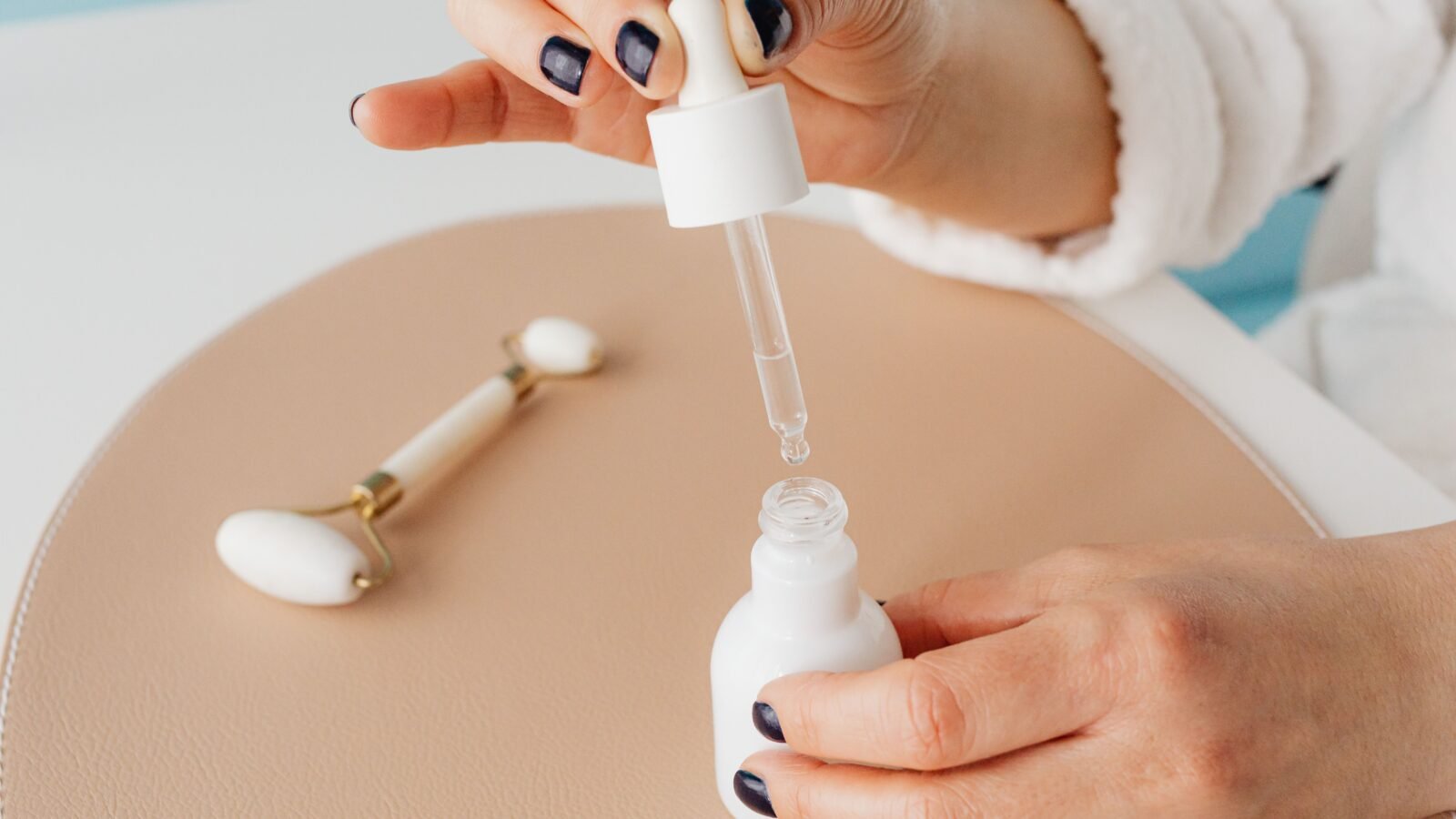
One of the most tangible manifestations of this trend is the proliferation of beauty tools designed to enhance product absorption. From jade rollers to high-frequency wands, these devices are marketed as the bridge between topical application and deeper dermal benefits. But the science is more nuanced than simple massaging. Modern “beauty taps” refer to a specific technique—light, rhythmic tapping motions that stimulate microcirculation without tugging delicate skin.
When combined with active ingredients like hyaluronic acid or vitamin C, this tapping method can temporarily increase the skin’s permeability. Research suggests that mechanical stimulation upregulates the expression of aquaporins, which are channels that facilitate water transport across cell membranes. In practical terms, this means that a product applied via tapping motions can deliver hydration more effectively than a simple swipe. Consequently, beauty taps skincare in this context is not just about the product itself but about the method of application. This synergy between tool and formula is what separates a routine from a ritual.
Clean Formulations and the “Skin-First” Philosophy
Another pillar of this movement is the insistence on clean, non-toxic ingredients. The “skin-first” philosophy argues that if your skincare is truly effective, you will need less makeup over time. This has led to a surge in formulations that focus on barrier repair, microbiome balance, and ceramide-rich compositions. Brands are now marketing their products with clinical claims, often citing in-vitro studies or dermatologist trials.
The phrase “beauty taps skincare” also encapsulates the idea of minimalism. Instead of a ten-step regimen, consumers are gravitating toward a “capsule wardrobe” for their face: a gentle cleanser, a targeted serum, a moisturizer, and a broad-spectrum sunscreen. This simplification is not about laziness; it is about precision. Each product must earn its place in the routine by addressing a specific concern—be it hyperpigmentation, dehydration, or loss of elasticity. The tap, then, becomes a metaphor for intentionality: you are not slathering on products indiscriminately but tapping into what your skin actually needs.
How Technology Is Personalizing the Beauty Tap Experience
Artificial intelligence and skin diagnostic tools are taking this concept further. Apps now analyze your skin’s moisture levels, pore size, and redness, then recommend a customized routine. Some high-end devices even use micro-currents or LED light therapy to “tap” the skin at a cellular level, stimulating collagen production. These technologies are making the promise of beauty taps skincare more accessible and measurable.
For example, a device that emits low-level red light can penetrate the dermis to boost mitochondrial activity, leading to firmer, more radiant skin. When used in conjunction with a vitamin C serum, the effects are synergistic. This is not magic; it is biochemistry. The key takeaway is that the modern consumer is no longer satisfied with anecdotal evidence. They want data, before-and-after photos, and peer-reviewed studies. This demand for proof is pushing the industry to be more transparent and more innovative.
The Role of Texture and Sensory Experience
Beyond efficacy, the sensory experience of a product plays a crucial role in adherence. A serum that feels sticky or a moisturizer that leaves a greasy residue will quickly be abandoned, regardless of its benefits. Beauty taps skincare also emphasizes the feel of the product. Lightweight gel-creams, water-based essences, and fast-absorbing oils are preferred because they facilitate the tapping motion without friction.
Formulators are now using advanced polymer technologies to create textures that “melt” into the skin upon contact. This immediate absorption creates a satisfying feedback loop for the user, reinforcing the habit. In a world where we are constantly multitasking, a product that requires minimal rubbing and maximum absorption is a luxury in itself. The tactile experience is not superficial; it is a functional component that ensures the active ingredients actually remain on the skin long enough to work.
Addressing Common Misconceptions and Pitfalls
Despite its benefits, the beauty taps skincare trend is not without its skeptics. One common misconception is that all tapping tools are created equal. In reality, using a device with excessive vibration or too much pressure can cause micro-tears in the skin, leading to irritation. Similarly, the “tap” technique is not suitable for everyone—those with active acne or rosacea should consult a dermatologist before adopting aggressive manual massage.
Another pitfall is the over-reliance on tools while neglecting basic hygiene. A jade roller that is not cleaned regularly can harbor bacteria, negating any potential benefits. The philosophy of tapping into beauty is ultimately about balance. It is not a replacement for a healthy diet, adequate sleep, or sun protection. Rather, it is an enhancement layer that, when used correctly, can amplify the effects of a solid baseline regimen.
Practical Steps to Incorporate Beauty Taps into Your Routine
If you are ready to embrace this approach, start with these evidence-based steps:
- Cleanse gently – Use a low-pH cleanser to prepare the skin without stripping it.
- Apply serum while skin is damp – This allows for better penetration of humectants like glycerin or hyaluronic acid.
- Use your fingertips or a clean tool – Tap the product in an upward and outward motion for 30-60 seconds. Avoid pulling.
- Seal with a moisturizer – Lock in the active ingredients with a barrier-supporting cream.
- Finish with SPF – This is non-negotiable, especially if you are using exfoliating acids or vitamin C.
The goal is not to add more steps but to make each step more effective. By focusing on the technique of tapping, you are actively engaging with your skin, which also has psychological benefits—it forces you to slow down and be present.
The Future of Skincare: Predictive and Adaptive
Looking ahead, the intersection of beauty and skincare will only deepen. We are already seeing the emergence of “adaptive” formulas that change their behavior based on the skin’s pH level or sebum production. Imagine a moisturizer that becomes more hydrating in dry climates and more mattifying in humid ones. This is the next frontier of beauty taps skincare—products that are not static but responsive.
Furthermore, the rise of “skin cycling” (alternating active ingredients on different nights) is a testament to the consumer’s desire for a more scientific approach. The old adage of “more is better” is being replaced by “right is better.” This shift is beneficial for both the industry and the end-user, as it reduces waste, minimizes irritation, and yields more sustainable results.
Conclusion
The phrase “beauty taps skincare” is more than a trendy hashtag; it is a reflection of a mature, informed, and holistic approach to personal care. It acknowledges that the health of our skin is the true foundation of beauty, and that cosmetics should enhance—not hide—our natural complexion. By combining intelligent formulation, mindful application techniques, and a commitment to skin barrier health, this philosophy offers a roadmap for anyone looking to simplify their routine without compromising on results. As technology continues to evolve and our understanding of dermatology deepens, one thing is clear: the future of beauty lies not in covering up, but in tapping into the skin’s own potential for renewal and resilience.



Leave a Reply